Classic style never really dies. The white shirt your grandfather wore still works today. So does the navy blazer. The leather shoes too. The problem is, wearing only these things makes you look like you’re cosplaying as a 1960s insurance salesman. The trick? Mix the old reliable stuff with newer pieces. Gets you respect without looking dusty.
The Foundation Stays Traditional
Certain clothes just work. They worked in 1970. They’ll work in 2050. Navy suits are basically cheat codes for looking good. White dress shirts go with almost anything. Same with light blue ones. Regular-cut dark jeans work for most occasions. Gray wool pants are versatile and can be dressed up or down.
Why do these pieces last? They’re boring. That’s actually good. No wild patterns that scream what year you bought them. No funky shapes that only looked good for six months. Nothing that makes people wonder what you were thinking.
Modern Pieces Change the Game
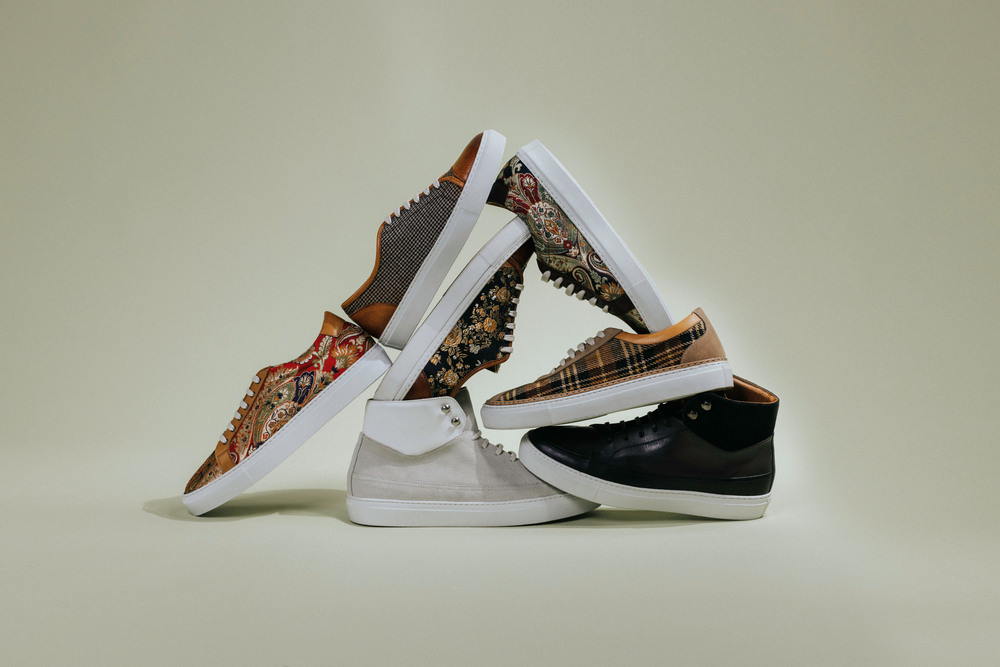
Now for the fun part. Take those safe, classic pieces and throw in something unexpected. A bomber jacket with a shirt and tie is a great look. Fashion-forward sneakers from a brand like Taft with dress pants? Stylish. A graphic tee can work with a blazer, if styled well.
Small stuff counts too. Watches were huge, then tiny, now they’re somewhere in between. Pick one that looks like it belongs in this decade. Backpacks replaced briefcases for most people; get a clean, structured one in leather or canvas. Sunglasses change shape every few years. Wayfarers are safe. So are aviators. Skip anything too narrow or too round unless you really know what you’re doing.
Here’s the thing though. You can’t go crazy. One unexpected piece per outfit, maybe two. A blazer with sneakers and a graphic tee and a bold watch? Too much. Pick your moment. Let one thing be interesting while everything else plays it straight.
Fit Makes Everything Work
Forget labels. Forget prices. When clothes don’t fit right, everything else is less important. A well-fitting, inexpensive shirt is more stylish than a poorly fitting, expensive one. Everything got slimmer about fifteen years ago. Super slim happened around 2012. Now we’ve settled somewhere in the middle. Clothes should conform to your body without being constricting. If you can’t move your arms or sit easily, it’s too tight. Your shirt is too loose if it billows. Tailors fix most problems. Hemming pants takes fifteen minutes. Taking in a shirt body costs twenty bucks. These tweaks turn decent clothes into great ones.
Colors That Bridge Eras
Safe colors always work. A wardrobe can be built using navy, gray, white, and black. But life’s too short for that. Olive green acts like a neutral now. Goes with navy, brown, black, whatever. Burgundy feels rich without trying too hard. Cream and camel brighten up winter when everything else turns dark. Even pink joined the party. Not hot pink. More like dusty rose or salmon. Looks good on everyone. Patterns got bigger and bolder. Plaids the size of graph paper grew into windowpanes. Tiny dots became quarter-sized circles. Just don’t mix more than one bold pattern. Let one piece shout while the others whisper.
Conclusion
The sweet spot lives between museum-piece vintage and trying-too-hard trendy. Classic pieces do the heavy lifting. They get you in the door. They make you look responsible. Modern touches keep things interesting. They show you’re paying attention. They prove you didn’t just inherit your entire wardrobe. They collaborate to make something universally functional. You won’t be the best-dressed guy at the club. You won’t be the sharpest at the board meeting. But you’ll look good at both. That flexibility beats everything else.
About the Author