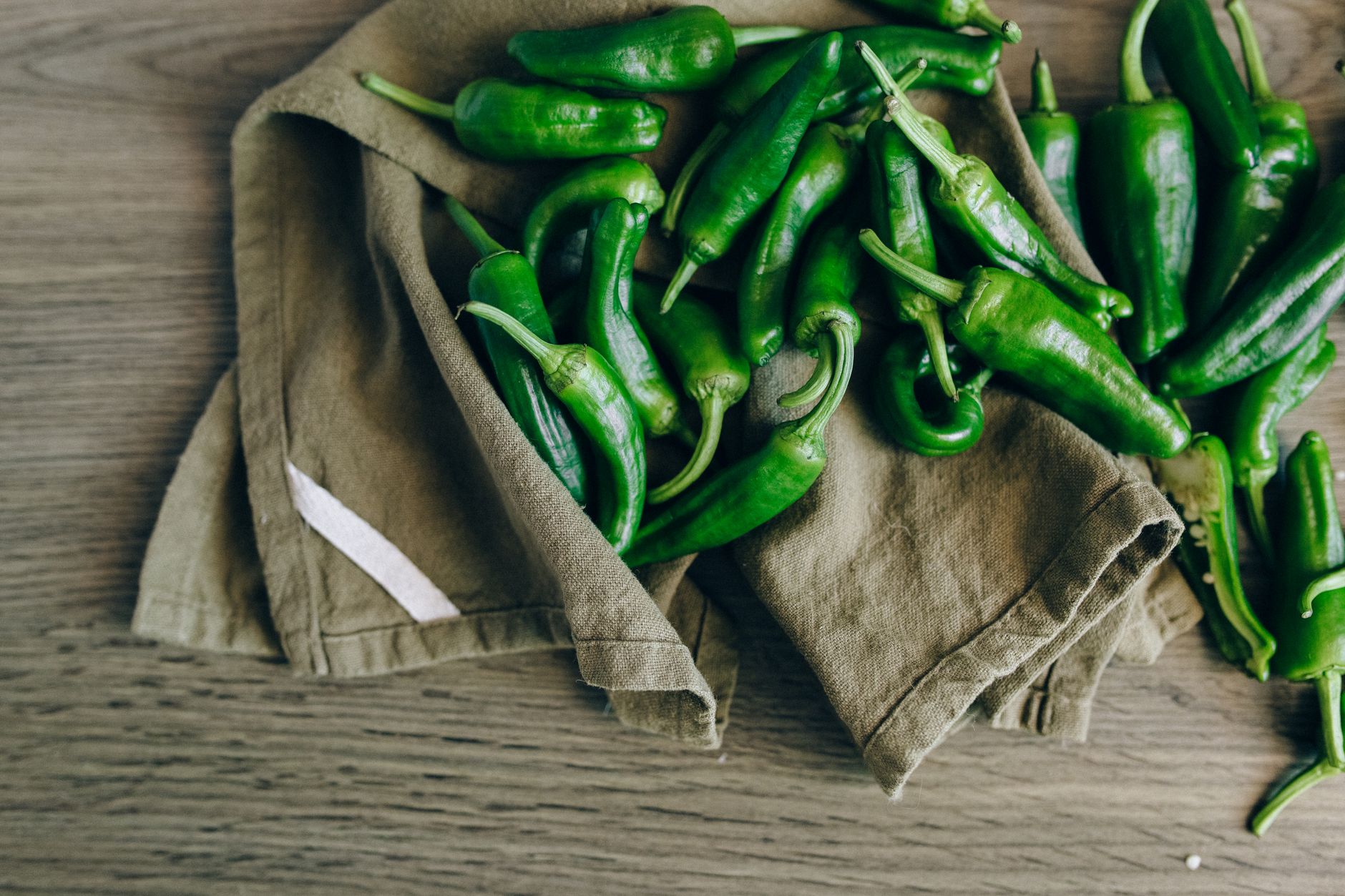
Hatch chile peppers were successfully grown aboard the ISS for 137 days. NASA’s experiment revealed fascinating insights into plant growth in microgravity.
NASA’s Space Agriculture Experiment
In 2021, NASA embarked on a groundbreaking experiment to cultivate Hatch chile peppers aboard the International Space Station (ISS) for an impressive duration of 137 days. This innovative initiative aimed to explore the viability of growing plants in microgravity conditions, which is crucial for future long-term space missions.
During the experiment, four Hatch chile pepper plants were grown in the Advanced Plant Habitat, yielding a total of 26 peppers. Interestingly, the growth patterns observed in space diverged from those on Earth; the stems supporting the flowers and fruit developed straight rather than the typical curved formation. This anomaly raises intriguing questions about how microgravity affects plant morphology and could pave the way for optimizing agricultural practices in space.
As research continues, the potential benefits of space-grown Hatch chile peppers may extend beyond culinary applications, offering insights into sustainable food production for future astronauts.
How Hatch Chile Peppers Thrived in Space
In a groundbreaking experiment, Hatch chile peppers showcased their incredible adaptability in the unique environment of space. NASA’s cultivation aboard the International Space Station provided invaluable insights into how these plants respond to microgravity conditions. Over the span of 137 days, four Hatch chile pepper plants produced a remarkable yield of 26 peppers, demonstrating not only resilience but also the potential for space agriculture.
The researchers observed that unlike their Earth-bound counterparts, the stems of the Hatch chile peppers grew straight rather than curved, a phenomenon attributed to the absence of gravitational pull. This characteristic could have significant implications for future space farming, as it suggests that these plants may thrive in off-world habitats. The successful growth of Hatch chile peppers reinforces their reputation as a promising candidate for sustainable food production in space missions and beyond.
The Science Behind Plant Growth in Microgravity
The unique environment of microgravity presents both challenges and opportunities for plant growth. In the case of Hatch chile peppers, the absence of gravity allowed for straight growth patterns, deviating from the typical curved stems observed on Earth. This phenomenon can be attributed to the way plants respond to gravity, known as gravitropism.
During NASA’s experiment, researchers monitored various factors affecting the growth of the Hatch chile peppers, including light exposure, water availability, and nutrient delivery. The controlled environment of the Advanced Plant Habitat provided ideal conditions for these plants to thrive.
Additionally, the study highlighted the importance of understanding plant biology in space, which could lead to sustainable food sources for future long-duration space missions. As humans explore further into the cosmos, crops like Hatch chile peppers may play a vital role in supporting astronaut life.
Results of the ISS Hatch Chile Pepper Experiment
The results of the ISS Hatch Chile Pepper Experiment were groundbreaking and demonstrated the potential of growing plants in space. Over a span of 137 days, NASA successfully cultivated Hatch chile peppers aboard the International Space Station (ISS). The Advanced Plant Habitat housed four plants, which collectively produced an impressive total of 26 peppers.
One of the most notable observations was the growth pattern of the stems. Unlike on Earth, where stems often curve due to gravity, the stems of the Hatch chile peppers grew straight in the microgravity environment. This straight growth could have implications for future space agriculture, as it suggests that plants may adapt differently to space conditions. The success of this experiment not only highlights the viability of growing Hatch chile peppers in space but also paves the way for further studies on sustainable food production for long-duration space missions.
Future of Space Farming: Lessons Learned
The recent experiments with Hatch chile peppers aboard the International Space Station (ISS) have provided invaluable insights into the future of space farming. As researchers analyze the results, several key lessons have emerged that could shape agricultural practices beyond Earth.
First, the success of the Hatch chile peppers in microgravity demonstrates the adaptability of certain crops to unconventional environments. This adaptability is crucial for future long-duration space missions, where fresh food sources are essential for crew health and morale.
Additionally, the straight growth of the pepper stems in space highlights the potential for developing plants with optimized growth patterns, which could further enhance yields. These findings not only pave the way for sustainable food production in space but also present opportunities to improve agricultural methods on our home planet.
As we look to the stars, the lessons learned from Hatch chile peppers may hold the key to successful space agriculture.
Photo by Nataliya Vaitkevich on Pexels
Read the original
- Jus’ Jumpin’ Outlets: Best Proven Expansion Strategy
- Swiss Beauty Select Outlet: Best New Store in Bareilly
- Amazon billion sales India: Proven Growth Strategy
About the Author