The world of luxury watches has seen a notable shift in recent years. Enthusiasts and collectors are increasingly exploring watches that offer a combination of style, functionality, and accessibility. Among super clone, high-quality replica or homage-style designs have gained attention for their detailed craftsmanship and innovative features. But what drives this trend, and how are consumers evaluating these watches in terms of design and performance?
Why Are Super Clone Watches Becoming More Popular?
Statistics from watch enthusiast communities indicate that buyers are looking for alternatives that provide luxury aesthetics without the extreme costs associated with traditional high-end brands. Surveys highlight that consumers prioritize features such as precise movement, durable materials, and versatile design. Data shows that over 60% of enthusiasts consider durability and performance metrics as critical factors in their decision-making process.
This suggests that style alone is no longer the only consideration. Modern buyers are combining aesthetic appeal with practical performance, creating a demand for timepieces that can perform reliably while reflecting current style standards.
What Performance Metrics Matter Most to Consumers?
Analytical studies on watch performance reveal several key areas that influence consumer choice:
- Movement accuracy: The consistency of timekeeping remains a primary concern. Users often track deviations over several weeks to assess reliability.
- Material durability: Case hardness, scratch resistance, and corrosion resistance are quantified through repeated tests.
- Water resistance: Watches designed for active lifestyles are measured under controlled pressure tests to ensure functionality under different conditions.
- Wear comfort: Metrics such as weight distribution and ergonomics influence how long a watch can be comfortably worn.
Data collected from hobbyist surveys shows that buyers increasingly evaluate watches through measurable performance benchmarks rather than branding alone. This approach allows for informed decisions that balance aesthetics, functionality, and value.
How Are Design Innovations Shaping Style Standards?
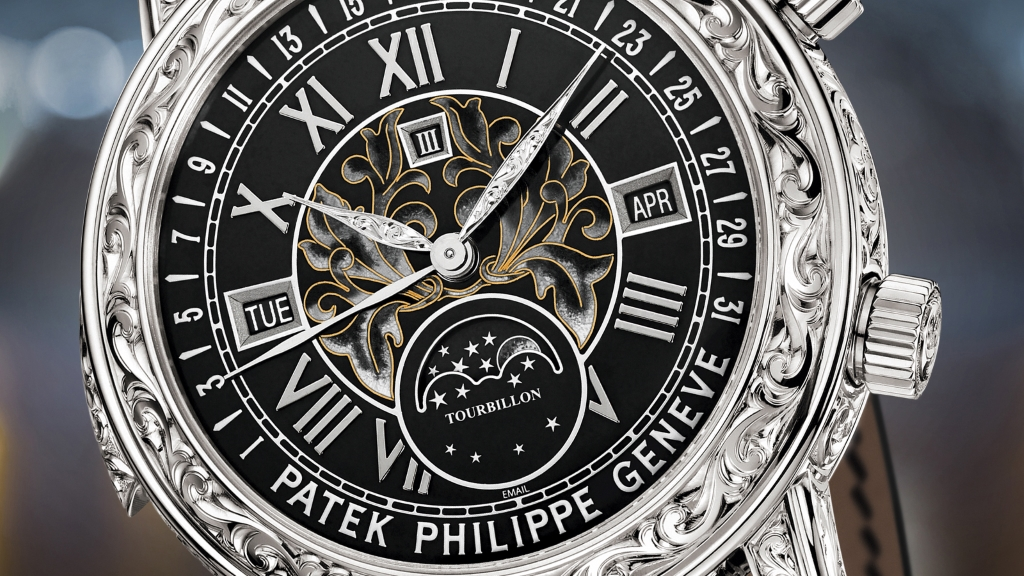
Super clone designs have embraced detailed craftsmanship, often replicating intricate dial work, bezel engineering, and strap textures. Statistical analyses show that buyers rank dial readability, symmetry, and design coherence as top priorities. Features such as luminescence, contrasting textures, and case proportions are evaluated not only for visual appeal but also for functional clarity.
Studies suggest that consumers often use rating scales to compare design elements quantitatively. For example, over 70% of participants in online surveys rank readability under low light as a major factor affecting their satisfaction.
Are Consumers More Data-Driven in Their Purchases?
Yes. Emerging patterns suggest a shift toward analytics-driven decision-making. Buyers now rely on measured data such as seconds gained or lost per day, long-term wear performance, and maintenance requirements. This trend reflects a broader movement in the market: informed purchasing decisions are replacing impulse buys based solely on style or marketing.
Community-driven platforms and review aggregation sites often provide detailed statistics on these metrics, giving prospective buyers access to transparent performance insights before purchase.
What Role Does Innovation Play in Everyday Use?
Super clone watches designed for performance integrate features that appeal to active users and collectors alike. Statistics show that these watches are frequently chosen for everyday wear due to their combination of durability, aesthetic appeal, and functionality. Users report high satisfaction rates when watches maintain accurate time, resist wear and tear, and remain visually impressive over extended periods.
Furthermore, design innovations such as flexible straps, scratch-resistant coatings, and ergonomic casing contribute to usability metrics, which are becoming a standard part of product evaluation.
Conclusion: How Are Style Standards Evolving?
The rise of super clone luxury watches demonstrates a market increasingly focused on measurable quality and innovative design. Consumers are no longer guided purely by brand recognition—they rely on performance metrics, ergonomic evaluations, and aesthetic analyses to guide their choices.
Statistics suggest that watches combining style, reliability, and performance are setting new standards for luxury-inspired timepieces. For buyers who value both visual sophistication and functional excellence, these innovations represent a new benchmark in wearable style.
About the Author