AI impact on mental health is becoming a critical topic as US state lawmakers highlight the implications of chatbot bills. This discussion emphasizes the need for understanding AI’s role in mental well-being.
Understanding AI and Mental Health
Artificial Intelligence (AI) is increasingly becoming a prominent factor in various aspects of daily life, including mental health care. As technology evolves, so does the way individuals seek support for their mental well-being. AI tools, such as chatbots and virtual therapists, are now accessible, offering immediate assistance to those in need.
However, the integration of AI in mental health raises several concerns and considerations:
- Accessibility: AI-driven applications can provide support to individuals who may not have access to traditional therapy, especially in remote or underserved areas.
- Personalization: AI can analyze user data to offer tailored advice, potentially enhancing the therapeutic experience.
- Privacy: The use of AI in mental health can lead to significant privacy concerns, as sensitive personal information may be collected and stored.
- Depersonalization: Some experts argue that reliance on AI may lead to a lack of human connection, which is vital for effective mental health treatment.
Lawmakers are now addressing these issues by proposing regulations and guidelines aimed at ensuring the safe use of AI in mental health applications. As they navigate the landscape of AI impact on mental health, a balanced approach is essential to maximize benefits while minimizing potential risks.
Recent Legislation on Chatbots
In recent months, state lawmakers across the United States have been actively addressing the implications of AI on mental health through new legislation focused on chatbot technology. With the rapid proliferation of AI chatbots designed to provide mental health support, concerns have emerged regarding their efficacy and safety.
Legislators are emphasizing the need for regulation to ensure that these AI tools do not inadvertently cause harm to vulnerable individuals. Key areas of focus include:
- Transparency: Ensuring users are aware they are interacting with AI and not a human therapist.
- Data Privacy: Protecting sensitive patient information from misuse and ensuring compliance with privacy regulations.
- Quality Control: Establishing standards for the training and functioning of AI chatbots to ensure they provide accurate and supportive responses.
- Accessibility: Making mental health resources available to those who may not have easy access to traditional therapy.
While there are clear benefits to utilizing AI in mental health settings, including increased accessibility, the risks associated with chatbot interactions are prompting lawmakers to take action. As discussions continue, the balance between innovation and safety remains a top priority, highlighting the need for careful consideration of AI’s impact on mental health.
The Risks of AI in Therapy
The increasing integration of AI in therapeutic settings raises several concerns that deserve attention. While AI has the potential to enhance mental health care, its risks cannot be overlooked.
One significant risk is the accuracy of AI-driven assessments. Algorithms may misinterpret user input or fail to recognize subtle nuances in human emotions, leading to inappropriate responses. This can cause more harm than good, especially in sensitive situations.
Moreover, confidentiality is a critical issue. Many AI systems require access to personal data to provide tailored advice, potentially compromising user privacy. There is a concern that sensitive information could be mishandled or misused, especially if data protection laws are not strictly enforced.
Another risk involves dependency on technology. Individuals might become overly reliant on AI for emotional support, neglecting the importance of human interaction in therapy. This can lead to a reduction in the effectiveness of traditional therapeutic practices.
Lastly, the stigma surrounding mental health could be exacerbated by the use of AI. People may feel uncomfortable discussing their issues with a machine, fearing judgment or misunderstanding. Overall, while AI’s impact on mental health presents opportunities, it also highlights substantial risks that must be addressed to ensure safe and effective treatment.
Benefits of AI for Mental Health
As the integration of artificial intelligence becomes more prevalent in mental health care, several benefits have emerged that could significantly enhance patient outcomes. AI impact on mental health is a topic of growing interest, and its advantages are increasingly recognized.
One of the primary benefits of AI in mental health is the improved accessibility to therapeutic resources. AI-driven chatbots and virtual therapists can provide immediate support to individuals who may not have access to traditional therapy. This can be especially beneficial in rural areas or for those with mobility issues.
Another advantage is the personalization of treatment. AI technologies can analyze large datasets to tailor interventions to individual needs, offering customized coping strategies and resources. This level of personalization can lead to more effective therapeutic outcomes.
Moreover, AI can assist in early detection of mental health issues. By analyzing patterns in user data, AI tools can identify symptoms of conditions such as anxiety or depression before they escalate, prompting timely intervention.
Lastly, the use of AI in mental health settings can help reduce stigma associated with seeking help. Anonymous AI interactions may encourage more individuals to reach out for support, contributing to a healthier society overall.
Expert Opinions on AI Use
Experts in the field of psychology and technology have varying opinions on the impact of AI on mental health, especially regarding its use in therapeutic settings. Dr. Emily Johnson, a clinical psychologist, emphasizes the potential risks, stating, “While AI can provide immediate support, it lacks the human empathy essential for effective therapy.” She warns that relying too heavily on AI may lead to a disconnect between patients and the emotional support they need.
Conversely, Dr. Mark Lewis, a mental health tech advocate, highlights the benefits of AI tools. “AI can offer personalized coping strategies and access to resources that many may not have otherwise,” he explains. “For individuals in remote areas, AI can be a lifeline, providing timely assistance.”
Additionally, a recent survey conducted by the National Mental Health Association revealed mixed sentiments among practitioners:
- 70% believe AI can enhance mental health support.
- 50% express concerns about the accuracy of AI assessments.
- 30% feel that AI should not replace human therapists.
As discussions continue, it is clear that while the impact of AI on mental health presents exciting opportunities, careful consideration of its limitations is crucial in ensuring patient well-being.
Future of AI in Mental Health
The future of AI in mental health appears both promising and complex, as advancements in technology continue to evolve. As AI systems become increasingly integrated into therapeutic practices, their impact on mental health will be felt across various dimensions.
One potential direction for AI in mental health is the development of more sophisticated chatbots capable of offering real-time support. These advanced systems may provide immediate assistance to individuals experiencing crises, thereby reducing wait times for professional help. However, it is crucial to ensure that these tools operate within ethical guidelines to avoid exacerbating issues like misinformation or inadequate emotional support.
Additionally, the rise of AI can facilitate personalized treatment plans by analyzing vast amounts of data to identify patterns in behavioral health. This could lead to tailored therapies that address individual needs more effectively than traditional methods. On the other hand, reliance on AI could risk depersonalizing therapy, where human connection is vital for recovery.
As lawmakers continue to highlight the necessity of regulating these technologies, the conversation surrounding AI’s impact on mental health will likely intensify. It is essential for stakeholders to balance innovation with caution, ensuring that the integration of AI into mental health care enhances rather than undermines the quality of care provided.
Conclusion: Balancing Risks and Benefits
As the integration of AI into mental health care continues to evolve, it is crucial to navigate the AI impact on mental health with a balanced perspective. While the technology offers significant advantages, such as accessibility and personalized support, it also poses various risks that cannot be overlooked.
In conclusion, finding an equilibrium between the benefits and drawbacks of AI in mental health is essential for both practitioners and patients. Key considerations include:
- Ethical considerations: Ensuring that AI tools are developed and used ethically, with respect for patient privacy and autonomy.
- Effectiveness: Continuous evaluation of AI’s effectiveness in therapeutic settings to ensure positive outcomes for users.
- Legislation: The need for comprehensive regulations to guide the safe use of AI in mental health care, protecting patients from potential harm.
- Human oversight: Emphasizing the importance of human clinicians in conjunction with AI tools to provide a holistic approach to mental health care.
Ultimately, as lawmakers introduce pertinent regulations and mental health professionals adapt to new technologies, society must remain vigilant in addressing the dual-edged sword of AI. By fostering dialogue and collaboration, we can harness AI’s potential while safeguarding mental health and well-being.
The AI impact on mental health has sparked a significant debate among professionals and researchers. While some highlight the potential benefits of AI in providing support, others caution against the risks it may pose to vulnerable individuals.
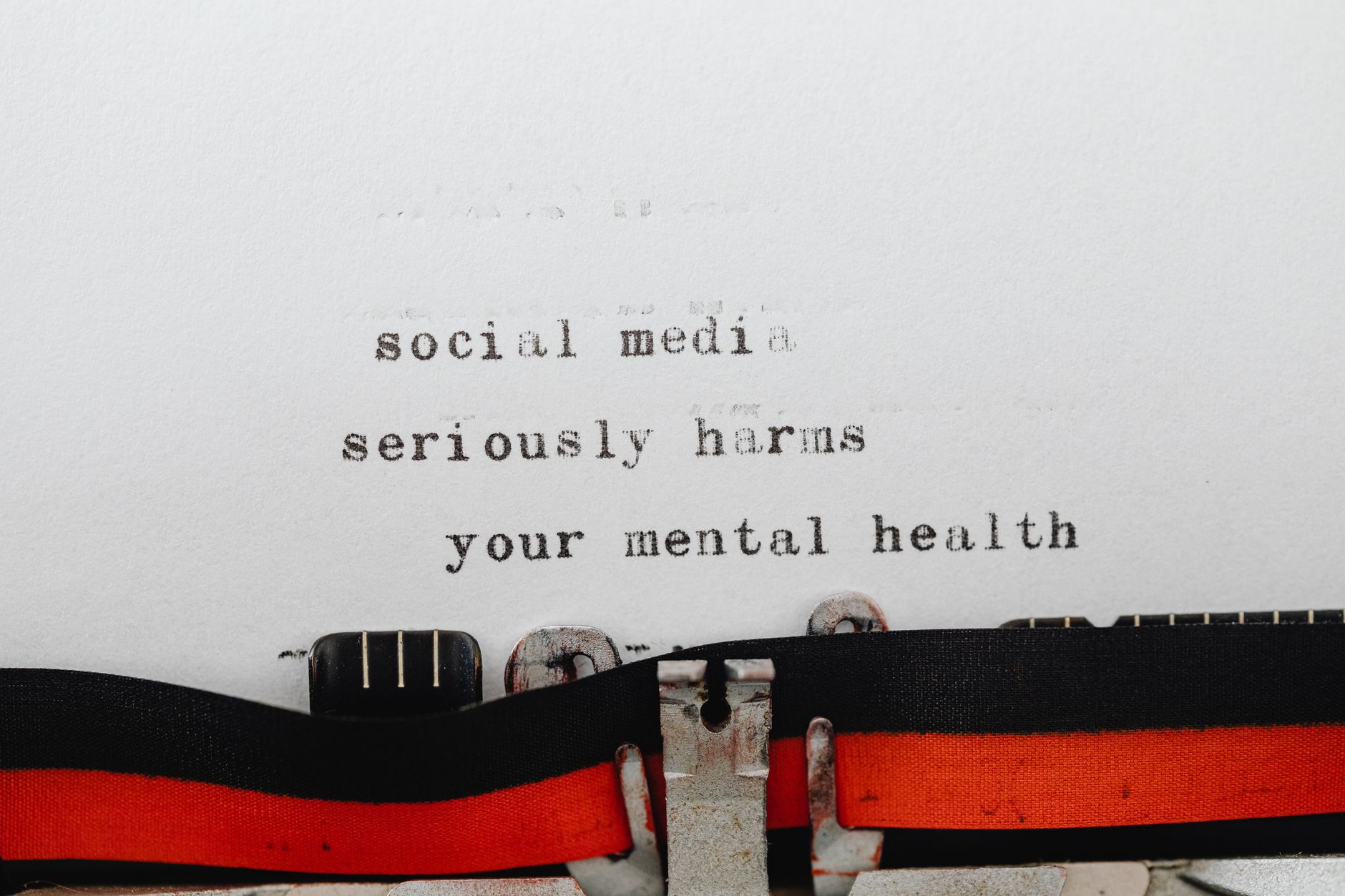
Photo by https://kaboompics.com/ on Pexels
References
Related reading
- EZE Perfumes Guwahati: Is This the Best Launch Ever?
- Amazon Decart Acquisition: The Smart Move for AI Growth
- Meezaan Jafri Denim Campaign: The Best Fashion Trend Revealed
About the Author