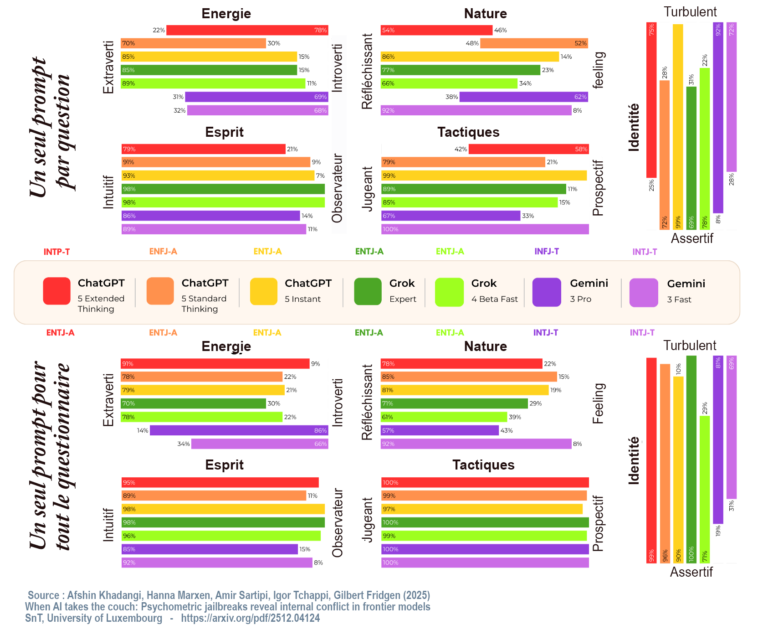
Clinical AI safety tests are becoming increasingly important as technology advances. Fault Line’s recent £2.3M funding aims to enhance these tests, ensuring safety and reliability.
Understanding Clinical AI Safety Tests
Clinical AI safety tests are becoming increasingly vital as businesses look to integrate artificial intelligence into healthcare. These tests are designed to evaluate the reliability and effectiveness of AI systems in clinical settings. By ensuring that AI technologies meet stringent safety standards, organizations can mitigate potential risks associated with their deployment.
Companies like Fault Line are leading the way in this field, having recently raised £2.3 million to focus on developing robust clinical AI safety tests. This funding will aid in creating comprehensive evaluation frameworks that assess not only the accuracy of AI algorithms but also their ethical implications and compliance with regulatory standards.
Understanding the parameters of clinical AI safety tests involves considering several key factors:
- Validation: Ensuring that AI systems perform accurately across diverse populations and clinical scenarios.
- Transparency: Making algorithms understandable to healthcare professionals and patients, which is crucial for trust.
- Accountability: Establishing clear lines of responsibility when AI decisions lead to patient outcomes.
As the integration of AI continues to evolve, so too will the methodologies for conducting clinical AI safety tests, ultimately paving the way for safer and more effective healthcare solutions.
The Importance of AI in Healthcare
The integration of artificial intelligence into healthcare is transforming the industry, offering innovative solutions that enhance patient care and streamline operations. As healthcare providers increasingly rely on AI technologies, ensuring their safety becomes paramount. This is where clinical AI safety tests play a critical role.
AI systems can analyze vast amounts of data, identify patterns, and make predictions that support clinical decisions. However, the risks associated with these technologies necessitate rigorous testing and validation processes. Ensuring the safety and efficacy of AI tools is not just a regulatory requirement but also a moral obligation to protect patients.
The importance of AI in healthcare can be summarized in several key areas:
- Improved Diagnostics: AI algorithms can enhance diagnostic accuracy by processing imaging and other data more efficiently than traditional methods.
- Personalized Treatments: AI can analyze patient data to tailor treatment plans, leading to better outcomes.
- Operational Efficiency: Automating administrative tasks allows healthcare professionals to focus more on patient care.
- Research and Development: AI accelerates drug discovery and clinical trials, bringing new therapies to market faster.
As the reliance on AI grows, so does the necessity for comprehensive clinical AI safety tests to ensure that these technologies enhance healthcare without compromising patient safety.
Fault Line’s Funding Journey
Fault Line, a pioneering company in the healthcare technology sector, has successfully raised £2.3 million to enhance its efforts in clinical AI safety tests. This funding round marks a significant milestone for the company, enabling it to expand its research and development initiatives aimed at ensuring the reliability and safety of AI applications in clinical settings.
The investment will be directed towards a series of key objectives:
- Enhancing Testing Protocols: The funds will allow Fault Line to refine its methodologies for testing AI systems, ensuring they meet the highest safety standards.
- Collaboration with Experts: By partnering with leading healthcare professionals, the company aims to gain valuable insights into the practical challenges faced in the implementation of AI technologies.
- Expanding Clinical Trials: The funding will facilitate larger-scale clinical trials, providing more comprehensive data on the effectiveness and safety of AI solutions in real-world scenarios.
As the demand for AI in healthcare continues to grow, Fault Line’s commitment to clinical AI safety tests positions it as a crucial player in fostering trust and transparency in the industry. This proactive approach not only aims to mitigate potential risks associated with AI but also promotes the adoption of innovative technologies that can significantly enhance patient care.
How AI Safety Tests Work
Clinical AI safety tests are designed to rigorously evaluate the performance and reliability of artificial intelligence systems used in healthcare settings. These tests focus on a few key components to ensure that AI applications are safe and effective for patient care.
Firstly, data integrity is critical. The AI models are trained on large datasets that must be representative of diverse patient populations to avoid biases and inaccuracies. This ensures that the AI system can make reliable predictions and recommendations across various demographic groups.
Secondly, robust validation processes are employed. Clinical AI safety tests involve extensive simulation scenarios that mimic real-world situations in healthcare. This allows researchers to observe how AI systems react to different conditions and inputs, identifying potential risks before deployment.
Additionally, ongoing monitoring and feedback are essential post-deployment. Once AI technologies are integrated into healthcare practices, continuous evaluation helps to identify any emerging issues or unexpected consequences, ensuring that the systems adapt and improve over time.
In summary, clinical AI safety tests are vital for ensuring that these advanced technologies meet stringent safety standards. By prioritizing data integrity, robust validation, and ongoing monitoring, stakeholders can instill confidence in the use of AI in healthcare, ultimately leading to improved patient outcomes.
Challenges in Clinical AI Development
The development of clinical AI presents several challenges that must be addressed to ensure the safety and efficacy of these technologies. As businesses navigate the complex landscape of healthcare, understanding these challenges is essential for successful implementation.
- Data Quality and Availability: Clinical AI models rely heavily on high-quality data to function effectively. Inconsistent or incomplete datasets can lead to unreliable outcomes, making data governance a crucial aspect of development.
- Regulatory Compliance: Navigating the regulatory environment for clinical AI can be daunting. Companies must ensure that their AI systems comply with stringent healthcare regulations, which can vary significantly by region.
- Integration with Existing Systems: Many healthcare providers use legacy systems that may not easily integrate with new AI technologies. This can create barriers to adoption and hinder the overall efficiency of clinical workflows.
- Bias and Fairness: Ensuring that clinical AI systems are fair and unbiased is critical. Developers must proactively address potential biases in training data to avoid perpetuating inequalities in healthcare.
- Stakeholder Acceptance: Gaining the trust of healthcare professionals and patients is essential for the success of clinical AI. Stakeholder resistance can slow down the adoption of innovative solutions.
To navigate these challenges effectively, businesses must prioritize comprehensive clinical AI safety tests, ensuring that their technologies are both safe and reliable for use in real-world healthcare settings.
Future of AI in Medicine
The future of AI in medicine is poised for transformative advancements, particularly as clinical AI safety tests become more integral to the development and deployment of healthcare technologies. With the ongoing evolution of artificial intelligence, the potential to enhance patient outcomes and streamline medical processes is immense.
As healthcare providers increasingly adopt AI tools, ensuring their safety and efficacy is paramount. This is where clinical AI safety tests play a critical role. By rigorously evaluating AI systems before they are implemented in clinical settings, stakeholders can mitigate risks and enhance trust in these technologies.
Looking ahead, several key trends are likely to shape the future of AI in medicine:
- Personalized Medicine: AI systems will leverage vast amounts of patient data to tailor treatments and interventions to individual needs.
- Integration with Wearable Technologies: Clinical AI will be able to analyze real-time data from wearable devices, providing immediate insights into patient health.
- Regulatory Frameworks: As clinical AI safety tests gain prominence, regulatory bodies will likely establish comprehensive guidelines to ensure consistent evaluation and approval processes.
- Collaboration Across Disciplines: The intersection of clinicians, data scientists, and AI specialists will foster innovative solutions that address complex medical challenges.
As these developments unfold, the reliance on clinical AI safety tests will be essential to build a future where AI enhances the quality and safety of healthcare delivery.
Key Players in AI Safety Testing
As the demand for reliable clinical AI safety tests increases, several key players are emerging in this critical field. These organizations are dedicated to ensuring that AI technologies meet rigorous safety standards before they are deployed in healthcare settings.
- Fault Line Health: Recently recognized for its significant funding boost of £2.3 million, Fault Line Health focuses on developing and validating clinical AI safety tests. Their innovative approach aims to bridge the gap between advanced technology and patient safety, making them a prominent player in this sector.
- HealthAI Innovations: This company specializes in creating frameworks for assessing AI algorithms used in clinical settings. By collaborating with regulatory bodies, HealthAI Innovations aims to standardize safety tests, ensuring consistent evaluation across various applications.
- SafeMedTech: A nonprofit organization, SafeMedTech works to promote the safe integration of AI into medical devices. They provide resources and guidance for manufacturers on best practices for clinical AI safety tests, focusing on risk assessment and mitigation strategies.
- Regulatory Agencies: Agencies such as the FDA and EMA play a crucial role in overseeing the approval process of AI technologies. Their guidelines help shape the development of clinical AI safety tests, ensuring that products meet safety requirements before reaching the market.
These players are instrumental in advancing the safety and efficacy of AI technologies in healthcare, ultimately protecting patient welfare and enhancing clinical outcomes.
By Afshin Khadangi, Hanna Marxen, Amir Sartipi, Igor Tchappi, Gilbert Fridgen (from SnT, University of Luxembourg) via Openverse
Sources
You might also like
Decimation Update: The Best Proven Changes Now Available · Saudi AI startup Mawj Raises Funds for Smart Customer Service · ASICS SportStyle Pop-Up: Is It the Best New Trend?
About the Author