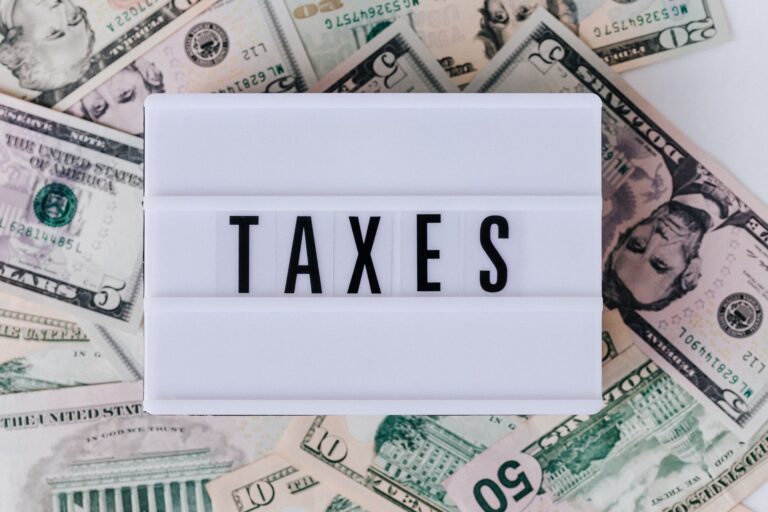
Tax cut bills are at the forefront of the ruling party’s new economic strategy, aiming to reduce financial pressures on citizens and stimulate growth.
Overview of Recent Tax Cut Proposals
In recent months, the ruling party has introduced a series of tax cut bills aimed at stimulating economic growth and providing relief to citizens. These proposals come at a time when many are calling for financial support due to rising living costs and economic uncertainties.
The tax cut bills focus on several key areas:
- Income Tax Reductions: Aimed at lowering the tax burden on middle and lower-income families, these cuts are designed to increase disposable income.
- Corporate Tax Incentives: By reducing corporate taxes, the government hopes to encourage businesses to invest, expand, and create jobs.
- Property Tax Adjustments: Proposals include adjustments to property taxes, relieving homeowners and renters alike from excessive fees.
- Tax Credits for Small Businesses: New credits are being proposed to support small businesses that have struggled during recent economic downturns.
Proponents argue that these tax cut bills will lead to a more vibrant economy, while critics express concerns about potential impacts on government revenue and public services. The ongoing debate highlights the complexity of balancing fiscal responsibility with the need for economic revitalization.
Impact of Tax Cuts on Citizens
The impact of tax cut bills on citizens can be significant, influencing both their financial well-being and overall economic growth. As lawmakers debate the merits of these proposals, it is crucial to consider how tax reductions can benefit families and individuals across various income levels.
One of the primary advantages of tax cuts is the increase in disposable income, allowing citizens to:
- Save more: With lower tax obligations, families can allocate funds for savings, which is essential for future investments and emergency expenses.
- Spend more: Increased disposable income can stimulate local businesses as citizens have more money to spend on goods and services.
- Invest in education: Families may choose to invest in their children’s education or personal development, contributing to a more skilled workforce.
Moreover, tax cut bills can foster a sense of financial security among citizens, encouraging them to take on new projects or entrepreneurial ventures. As the ruling party pushes these initiatives, the long-term effects on job creation and economic growth may be profound, possibly leading to a more prosperous future for all.
Ruling Party’s Economic Strategy
The ruling party’s recent push for tax cut bills aims to stimulate economic growth and enhance the financial well-being of citizens. By reducing the tax burden, the government seeks to increase disposable income, thereby encouraging consumer spending and investment.
Key elements of the party’s economic strategy include:
- Incentives for Small Businesses: The proposed tax cut bills offer significant incentives for small businesses, including lower corporate tax rates and simplified tax structures. This is expected to foster entrepreneurship and job creation.
- Investment in Infrastructure: The ruling party plans to allocate savings from these tax cuts towards infrastructural development, which is projected to create jobs and stimulate local economies.
- Support for Middle-Class Families: By targeting tax reductions towards middle-class families, the government aims to ease financial pressures and promote a more equitable distribution of wealth.
Critics argue that these tax cut bills may disproportionately benefit wealthier individuals, yet supporters contend that the overall economic growth will benefit all sectors of society. The ruling party remains optimistic that these measures will lead to long-term prosperity.
Public Response to Tax Legislation
The introduction of various tax cut bills has sparked a significant response from the public, with opinions divided on the potential outcomes. Many citizens express optimism, believing that these measures will stimulate economic growth and increase disposable income.
Supporters argue that reducing tax burdens could lead to greater consumer spending, thus invigorating local businesses and fostering job creation. They highlight the positive historical examples where tax cuts have previously spurred economic activity.
Conversely, critics of the tax legislation caution that these cuts may lead to budget shortfalls, potentially affecting funding for essential public services. They worry that the long-term implications could outweigh the immediate benefits, especially for vulnerable populations reliant on government support.
Furthermore, public forums and social media discussions reveal a growing concern regarding the prioritization of corporate tax relief over individual taxpayers. Many feel that a more equitable approach should be taken to ensure that all citizens benefit from the proposed changes.
As the debate continues, it is clear that the public remains engaged and vigilant about the potential impacts of tax cut bills on their economic future.
Future of Tax Policy in South Korea
The future of tax policy in South Korea is poised for significant change as the ruling party continues to push forward with its series of tax cut bills. These proposals aim not only to alleviate the financial burden on citizens but also to stimulate overall economic growth in a recovering post-pandemic environment.
In recent discussions, government officials have emphasized the necessity of these tax cut bills in fostering a business-friendly atmosphere. The intention is to encourage both local and foreign investments, which are crucial for revitalizing various sectors of the economy.
However, the path ahead is not without challenges. Critics of the tax cut bills argue that such measures could lead to reduced government revenue, potentially impacting public services. Proponents counter that the long-term economic benefits will outweigh short-term revenue losses.
As the debate unfolds, several key points are likely to shape the future of tax policy:
- Investment incentives: Encouraging businesses to invest in innovation.
- Social equity: Ensuring that tax cuts benefit a broad range of citizens.
- Fiscal responsibility: Balancing tax reductions with the need for sustainable government funding.
Photo by https://kaboompics.com/ on Pexels
Where this came from
Related stories
Vacheron Constantin Fiftysix: Best Proven Tuxedo Dials · Nike Waffle Racer: Is It the Best Retro Sneaker Yet? · GTA 6 Selfridges Merch: The Worst Daylight Robbery Ever
About the Author