
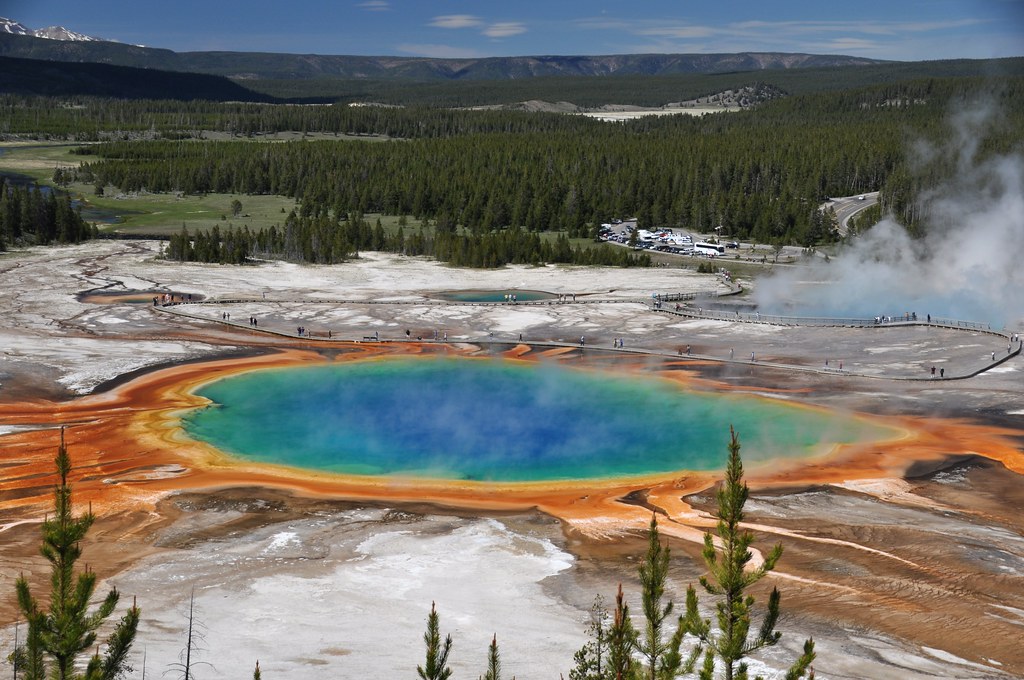
Yellowstone eruption effects are a serious concern for scientists today. Recent studies reveal the potential consequences of a catastrophic eruption at Yellowstone National Park.
Understanding the Yellowstone Supervolcano
The Yellowstone Supervolcano is one of the most closely monitored geological features in the United States. Located in Yellowstone National Park, it has a history of significant eruptions that have reshaped the landscape and affected global climate. Understanding the Yellowstone Supervolcano is crucial, especially when considering the potential Yellowstone eruption effects.
Geologists study the supervolcano to predict future activity, as its last major eruption occurred approximately 640,000 years ago. This eruption released vast amounts of ash and gases into the atmosphere, leading to widespread environmental changes. If a similar event were to occur today, the consequences could be dire.
Some of the most concerning outcomes of a Yellowstone eruption include:
- Immediate Regional Impact: A significant eruption could obliterate nearby areas, resulting in loss of life and destruction of infrastructure.
- Ash Fall: Volcanic ash could blanket cities across the United States, disrupting air travel and daily activities.
- Climate Change: The release of volcanic gases, including sulfur dioxide, could lead to a temporary drop in global temperatures, affecting agriculture and ecosystems.
- Long-term Geological Changes: The eruption could create new landforms and alter existing habitats, impacting flora and fauna.
With these potential Yellowstone eruption effects in mind, ongoing research is vital for preparedness and mitigation strategies.
Historical Eruptions and Their Impact
The history of Yellowstone is marked by several significant eruptions, each leaving a profound impact on the environment and human life. These historical eruptions serve as a critical reference point for understanding the potential Yellowstone eruption effects today.
One of the most notable eruptions occurred approximately 640,000 years ago, creating the Yellowstone Caldera. This event released an estimated 1,000 cubic kilometers of volcanic material, dramatically altering the landscape and climate. The immediate effects included:
- Widespread ash fallout: Ash spread across hundreds of miles, affecting air quality and agricultural practices in surrounding regions.
- Climate changes: The eruption likely caused a volcanic winter, with temperatures dropping significantly for several years.
- Ecological disruption: Flora and fauna faced severe challenges as habitats were destroyed, leading to shifts in species populations.
Another eruption, around 250,000 years ago, further demonstrated the potential for significant environmental upheaval. The cumulative effects of these events underscore the importance of studying past eruptions to prepare for future occurrences.
As scientists continue to assess the risks associated with the Yellowstone supervolcano, understanding these historical eruptions remains essential in predicting the worst outcomes that could arise from another catastrophic event.
What Scientists Predict for the Future
As scientists study the potential outcomes of a Yellowstone eruption, several alarming predictions have emerged regarding the effects it could have on the environment and human life.
One significant concern is the possibility of widespread ash fallout. Depending on the scale of the eruption, ash could cover large areas of the United States, disrupting air travel and contaminating water supplies.
In addition to ash, scientists warn that the eruption could trigger volcanic gases, including sulfur dioxide. These gases can lead to acid rain, which poses a severe threat to agriculture and ecosystems.
Moreover, the immediate vicinity of the park could experience devastating pyroclastic flows, which are fast-moving currents of hot gas and volcanic matter. These flows can obliterate everything in their path, resulting in catastrophic loss of life and property.
Other long-term effects include potential climate changes due to the massive release of ash and gases into the atmosphere. Such changes could lead to a “volcanic winter,” drastically lowering global temperatures and disrupting weather patterns.
In summary, the potential Yellowstone eruption effects are profound and multifaceted, impacting not only the local region but also the entire planet.
Yellowstone Eruption Effects on Climate
The potential effects of a Yellowstone eruption on climate are a significant concern for scientists and policymakers alike. An eruption of this magnitude could alter global weather patterns, leading to catastrophic consequences for ecosystems and agriculture.
When Yellowstone erupts, it can emit vast amounts of volcanic ash and gases, particularly sulfur dioxide. These emissions can lead to:
- Global Cooling: The ash and aerosols can reflect sunlight back into space, resulting in lower temperatures across the globe.
- Disrupted Weather Patterns: Changes in temperature and atmospheric conditions could lead to altered precipitation patterns, affecting water supply.
- Impact on Agriculture: A cooler climate could shorten growing seasons, leading to food shortages and economic instability.
Furthermore, the effects of a Yellowstone eruption may persist for years. Studies suggest that the initial cooling could last for several years, followed by a gradual return to a warmer climate, but with ongoing disruptions.
In conclusion, the potential climate effects of a Yellowstone eruption are profound and far-reaching, highlighting the importance of ongoing research and monitoring of this supervolcano.
The Yellowstone eruption effects could lead to catastrophic air quality degradation, impacting millions of lives across the United States. Furthermore, the long-term Yellowstone eruption effects on agriculture and water supply could disrupt food systems for years to come.
By James St. John via Openverse
Where this came from
Related reading
- OpenAI New AI Model: Worst Decision for Innovation
- iPhone 18 Pro review: The Best Final Iteration Yet
- Hair Restoration Centre: The Best Proven Solutions in Bengaluru
About the Author
